Skip to content

The Centre for the Study of Corruption

X page opens in new windowLinkedin page opens in new window
Governance & Integrity Anti-Corruption Evidence
  • About
  • Our work
    • Research themes
      • Global finance and the enablers of corruption
        • Corruption in Paradise: An ecology of money laundering through real estate in the touristic global south
        • Identifying enabler networks and their vulnerabilities
        • Does transparency bring cleanliness? Offshore financial secrecy reform and corruption control
        • Hiding the beneficial owner and the proceeds of corruption
      • Crisis responses and corruption in vulnerable sectors
        • Addressing corruption in the crisis response of the Malawian health system
        • Crisis emergencies, state responses and ‘windows’ of corruption in Uganda
        • The corrupting effect of political connections in public procurement through crises
      • Corruption risks in global trade and commerce
        • Lessons for combating illicit cross-border trade and money laundering from the Congo
        • Interrogating corruption risk in the climate transition: Trading in voluntary carbon markets
        • International deal-making, beliefs, and local social norms
        • Ethical border trading between Kenya and Uganda for small-scale businesses
      • State capture
        • Building resilience to state capture
        • Resisting state capture from the grassroots: Civil society efforts and public perceptions
        • Building institutional resilience to global illicit financial flows as enablers and drivers of state capture
      • Sectors and Institutions
        • Fighting high-level corruption in Africa: Learning from effective law enforcement
        • Addressing bribery in the Tanzanian health sector: A behavioural approach
        • Detecting and deterring medication theft: A field study in health clinics in Malawi
        • Curbing corruption in procurement using ‘red flags’ risk indicators
      • Integrity systems
        • Cities of integrity: Urban planning and corruption in Africa
        • Can positive public recognition lead to good governance?
        • Harnessing informality: Designing anti-corruption network interventions and strategic use of legal instruments
        • Centralised versus decentralised monitoring to reduce corruption: Insights from comparisons across Indian state
        • Civil service reform and anti-corruption: Does ethics training reduce corruption in the civil service?
    • Fellowship
    • Rethinking Anti-Corruption
    • From Research to Practice
  • Resources
    • Publications
    • Blogs
    • Multimedia
    • Kickback – The Global AntiCorruption Podcast
  • News & events
    • Newsletter
    • GI ACE in the media
    • News from GI ACE
    • Upcoming Events
    • Previous Events
  • Contact
Search:
Search
  • About
  • Our work
    • Research themes
      • Global finance and the enablers of corruption
        • Corruption in Paradise: An ecology of money laundering through real estate in the touristic global south
        • Identifying enabler networks and their vulnerabilities
        • Does transparency bring cleanliness? Offshore financial secrecy reform and corruption control
        • Hiding the beneficial owner and the proceeds of corruption
      • Crisis responses and corruption in vulnerable sectors
        • Addressing corruption in the crisis response of the Malawian health system
        • Crisis emergencies, state responses and ‘windows’ of corruption in Uganda
        • The corrupting effect of political connections in public procurement through crises
      • Corruption risks in global trade and commerce
        • Lessons for combating illicit cross-border trade and money laundering from the Congo
        • Interrogating corruption risk in the climate transition: Trading in voluntary carbon markets
        • International deal-making, beliefs, and local social norms
        • Ethical border trading between Kenya and Uganda for small-scale businesses
      • State capture
        • Building resilience to state capture
        • Resisting state capture from the grassroots: Civil society efforts and public perceptions
        • Building institutional resilience to global illicit financial flows as enablers and drivers of state capture
      • Sectors and Institutions
        • Fighting high-level corruption in Africa: Learning from effective law enforcement
        • Addressing bribery in the Tanzanian health sector: A behavioural approach
        • Detecting and deterring medication theft: A field study in health clinics in Malawi
        • Curbing corruption in procurement using ‘red flags’ risk indicators
      • Integrity systems
        • Cities of integrity: Urban planning and corruption in Africa
        • Can positive public recognition lead to good governance?
        • Harnessing informality: Designing anti-corruption network interventions and strategic use of legal instruments
        • Centralised versus decentralised monitoring to reduce corruption: Insights from comparisons across Indian state
        • Civil service reform and anti-corruption: Does ethics training reduce corruption in the civil service?
    • Fellowship
    • Rethinking Anti-Corruption
    • From Research to Practice
  • Resources
    • Publications
    • Blogs
    • Multimedia
    • Kickback – The Global AntiCorruption Podcast
  • News & events
    • Newsletter
    • GI ACE in the media
    • News from GI ACE
    • Upcoming Events
    • Previous Events
  • Contact

Category Archives: International Architecture

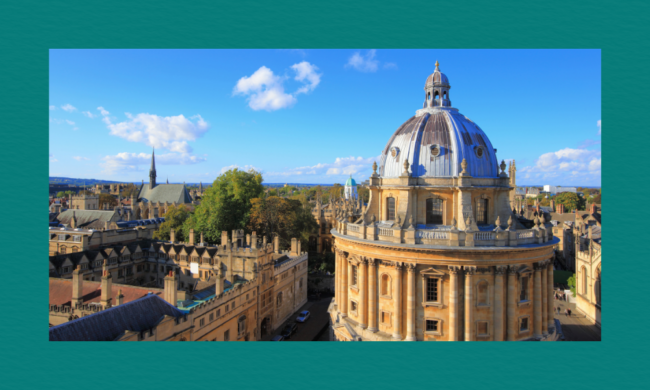
Aerial view of the Radcliffe Camera in Oxford, showing its circular stone structure and domed roof surrounded by historic university buildings with spires and ornate façades under a bright blue sky with scattered clouds.

Paying for a World Class Affiliation: Reputation laundering in universities

Heathershaw, Integrity Systems, International ArchitectureBy GI ACE25/05/2021Leave a comment

Researchers John Heathershaw and Tena Prelec explain the potential benefits in store for the super wealthy politically exposed persons (PEPs) donating to academia in pursuit of reputation laundering.
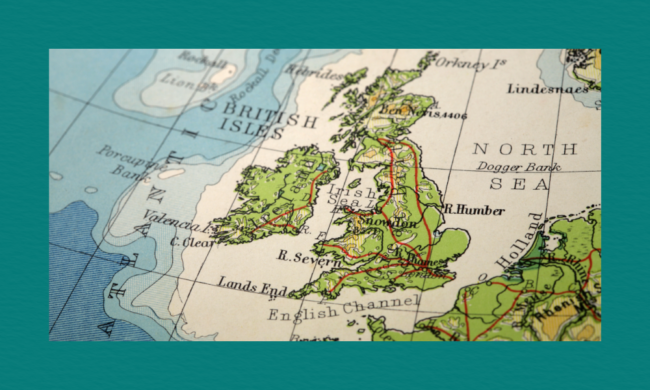
Vintage map showing the British Isles, including Great Britain and Ireland, with labelled seas, rivers, coastal points, and shaded topographical features indicating elevation and terrain.

Global Britain: Enabling Kleptocracy?

Heathershaw, Integrity Systems, International ArchitectureBy GI ACE01/04/2021Leave a comment

Researchers John Heathershaw and Tom Mayne describe how the UK may be failing to enforce laws designed to stop illicit financial flows and “foreign dark money” from entering the country.

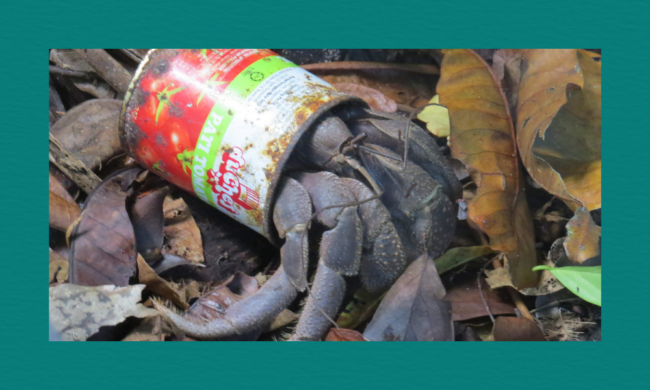
Coenobita brevimanus) using an discarded metal tomato paste can instead of a natural snail shell.

Why do people set up offshore shell companies? Some preliminary findings from the Panama and Paradise Papers

Haberly, International ArchitectureBy GI ACE17/11/2020Leave a comment

GI ACE researcher Dan Haberly analyses the structure behind offshore shell company formation.

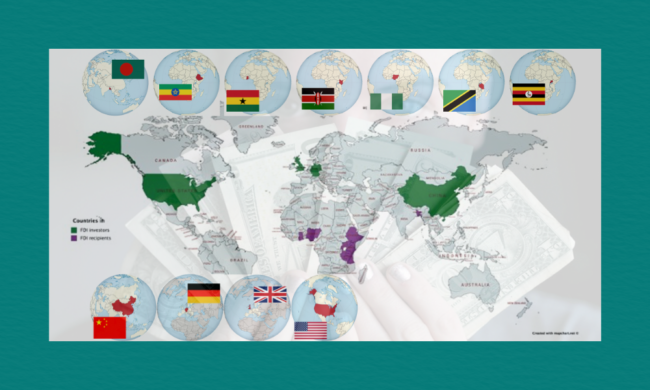
A world map highlighting countries involved in foreign direct investment, with green indicating investor nations and purple indicating recipient nations. Circular insets show country flags alongside small globe markers for Bangladesh, Ethiopia, Ghana, Kenya, Nigeria, Tanzania, Uganda, China, Germany, the United Kingdom, and the United States.

From Lab to Online Research: a Transition Full of Challenges

Chmura, International ArchitectureBy GI ACE28/10/2020Leave a comment

GI-ACE researcher Thorsten Chmura discussed focus of research on transnational corruption in international business, pushing the boundaries of citizen science.

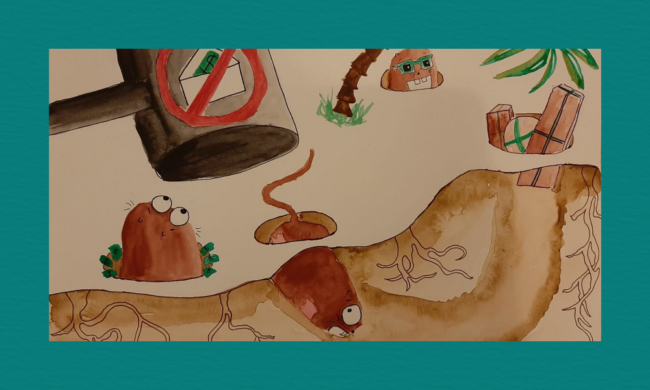
A whimsical illustration of cartoon moles in an underground tunnel system, with one above ground looking up at a hammer symbol marked with a red prohibition sign. Other moles appear in tunnels near roots and a palm tree, alongside a wooden crate with a green X.

Anti-corruption in Aid-funded Procurement: Whacking the Mole is Not Enough

David-Barrett, David-Barrett_ext, International ArchitectureBy GI ACE06/10/2020Leave a comment

GI-ACE researchers Liz Dávid-Barrett and Mihály Fazekas use big data analysis from a recent World Bank procurement reform dataset to show how corruption is a moving target.

A crowded urban market with colourful umbrellas covering vendor stalls, tightly packed vehicles including buses, cars and motorcycles moving through heavy traffic, and people walking among multi‑storey buildings in the background.

Are Promised Changes to Nigeria’s Anti-corruption Architecture Built On Sand?

Harvey, International ArchitectureBy GI ACE28/09/2020Leave a comment

GI ACE researcher Jackie Harvey discusses commitments that appeared to address two recent criticisms made of Nigeria’s anti-corruption regime – overlapping mandates and lack of inter-agency cooperation – that had been identified by various authors in recent years

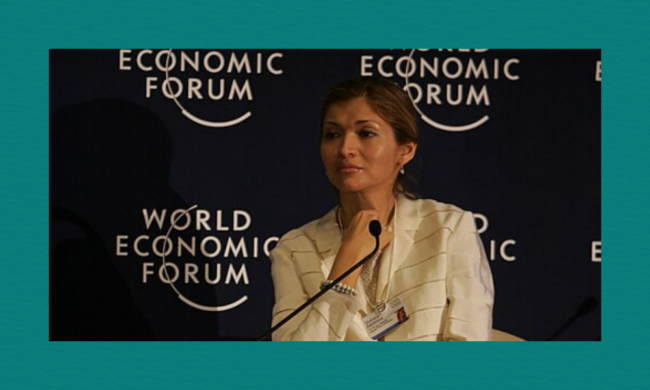
The image shows Gulnara Karimova (Gulnora Karimova), the eldest daughter of Uzbekistan's former president Islam Karimov, speaking at the World Economic Forum on the Middle East in the Dead Sea, Jordan, on May 17, 2009, where she attended in her capacity as Chairperson of the Board of Trustees of the Social Initiatives Support Fund.

From a Surrey mansion to an Uzbek prison: Revisiting the case of Gulnara Karimova

Heathershaw, International ArchitectureBy GI ACE23/09/2020Leave a comment

GI-ACE researcher Tom Mayne discusses project investigating laundering of monies and reputations by professional enablers for African and Central Asian elites.

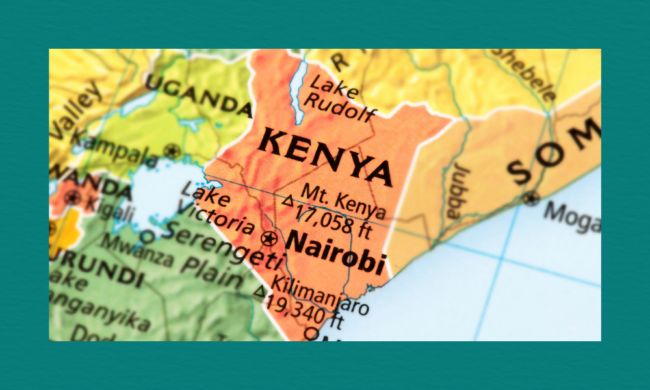
A close-up of an East Africa political map highlighting Kenya in orange, showing surrounding countries—Uganda, Tanzania, Somalia, and Burundi—with major landmarks such as Lake Victoria, Lake Turkana, Mount Kenya, Kilimanjaro, Nairobi, Kampala, and Kigali labeled.

The Gendered Nature of Corruption: A Case Study on Small-Scale Cross Border Trade in Kenya

GI ACE, International Architecture, KloppBy GI ACE22/09/2020Leave a comment

One year further into its GI ACE-supported research concerning the role of integrity and corruption within the planning profession in Zambia and South Africa, the African Centre for Cities’ “Cities of Integrity” (COI) research team has hit new milestones and made progress in achieving its research objectives.

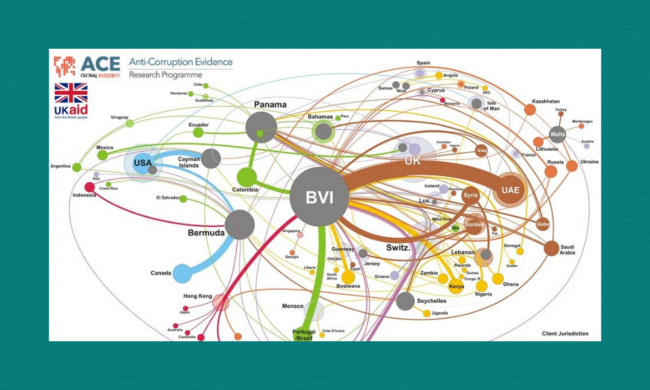
A detailed infographic map showing clusters of coloured circles connected by lines to illustrate global financial and jurisdictional networks, with prominent hubs such as the UK, USA, Switzerland, Panama and the British Virgin Islands, alongside programme branding for ACE Anti‑Corruption Evidence.

Mapping Politically Exposed Person (PEP)-linked shell companies in the Panama and Paradise Papers

Haberly, International ArchitectureBy GI ACE23/06/2020Leave a comment

GI ACE researcher Dan Haberly analyses the changing international regulatory landscape has impacted shell company use since the turn of the millennium.

→123→
Go to Top

GI ACE is funded by the UK government’s Foreign, Commonwealth & Development Office (FCDO) through its Global Research and Technology Development portfolio.

About

  • About
  • Our Team
  • Contact Us

Our Work

  • Research themes
  • Events

Resources

  • Blogs
  • Publications

Connect with us

If you've used any of GI ACE's research to inform policy and/or practice, let us know by sending an email at gi-ace@sussex.ac.uk. © 2026 GI ACE. All rights reserved. Hosted at the University of Sussex by the Centre for the Study of Corruption.