Skip to content

The Centre for the Study of Corruption

X page opens in new windowLinkedin page opens in new window
Governance & Integrity Anti-Corruption Evidence
  • About
  • Our work
    • Research themes
      • Global finance and the enablers of corruption
        • Corruption in Paradise: An ecology of money laundering through real estate in the touristic global south
        • Identifying enabler networks and their vulnerabilities
        • Does transparency bring cleanliness? Offshore financial secrecy reform and corruption control
        • Hiding the beneficial owner and the proceeds of corruption
      • Crisis responses and corruption in vulnerable sectors
        • Addressing corruption in the crisis response of the Malawian health system
        • Crisis emergencies, state responses and ‘windows’ of corruption in Uganda
        • The corrupting effect of political connections in public procurement through crises
      • Corruption risks in global trade and commerce
        • Lessons for combating illicit cross-border trade and money laundering from the Congo
        • Interrogating corruption risk in the climate transition: Trading in voluntary carbon markets
        • International deal-making, beliefs, and local social norms
        • Ethical border trading between Kenya and Uganda for small-scale businesses
      • State capture
        • Building resilience to state capture
        • Resisting state capture from the grassroots: Civil society efforts and public perceptions
        • Building institutional resilience to global illicit financial flows as enablers and drivers of state capture
      • Sectors and Institutions
        • Fighting high-level corruption in Africa: Learning from effective law enforcement
        • Addressing bribery in the Tanzanian health sector: A behavioural approach
        • Detecting and deterring medication theft: A field study in health clinics in Malawi
        • Curbing corruption in procurement using ‘red flags’ risk indicators
      • Integrity systems
        • Cities of integrity: Urban planning and corruption in Africa
        • Can positive public recognition lead to good governance?
        • Harnessing informality: Designing anti-corruption network interventions and strategic use of legal instruments
        • Centralised versus decentralised monitoring to reduce corruption: Insights from comparisons across Indian state
        • Civil service reform and anti-corruption: Does ethics training reduce corruption in the civil service?
    • Fellowship
    • Rethinking Anti-Corruption
    • From Research to Practice
  • Resources
    • Publications
    • Blogs
    • Multimedia
    • Kickback – The Global AntiCorruption Podcast
  • News & events
    • Newsletter
    • GI ACE in the media
    • News from GI ACE
    • Upcoming Events
    • Previous Events
  • Contact
Search:
Search
  • About
  • Our work
    • Research themes
      • Global finance and the enablers of corruption
        • Corruption in Paradise: An ecology of money laundering through real estate in the touristic global south
        • Identifying enabler networks and their vulnerabilities
        • Does transparency bring cleanliness? Offshore financial secrecy reform and corruption control
        • Hiding the beneficial owner and the proceeds of corruption
      • Crisis responses and corruption in vulnerable sectors
        • Addressing corruption in the crisis response of the Malawian health system
        • Crisis emergencies, state responses and ‘windows’ of corruption in Uganda
        • The corrupting effect of political connections in public procurement through crises
      • Corruption risks in global trade and commerce
        • Lessons for combating illicit cross-border trade and money laundering from the Congo
        • Interrogating corruption risk in the climate transition: Trading in voluntary carbon markets
        • International deal-making, beliefs, and local social norms
        • Ethical border trading between Kenya and Uganda for small-scale businesses
      • State capture
        • Building resilience to state capture
        • Resisting state capture from the grassroots: Civil society efforts and public perceptions
        • Building institutional resilience to global illicit financial flows as enablers and drivers of state capture
      • Sectors and Institutions
        • Fighting high-level corruption in Africa: Learning from effective law enforcement
        • Addressing bribery in the Tanzanian health sector: A behavioural approach
        • Detecting and deterring medication theft: A field study in health clinics in Malawi
        • Curbing corruption in procurement using ‘red flags’ risk indicators
      • Integrity systems
        • Cities of integrity: Urban planning and corruption in Africa
        • Can positive public recognition lead to good governance?
        • Harnessing informality: Designing anti-corruption network interventions and strategic use of legal instruments
        • Centralised versus decentralised monitoring to reduce corruption: Insights from comparisons across Indian state
        • Civil service reform and anti-corruption: Does ethics training reduce corruption in the civil service?
    • Fellowship
    • Rethinking Anti-Corruption
    • From Research to Practice
  • Resources
    • Publications
    • Blogs
    • Multimedia
    • Kickback – The Global AntiCorruption Podcast
  • News & events
    • Newsletter
    • GI ACE in the media
    • News from GI ACE
    • Upcoming Events
    • Previous Events
  • Contact

Category Archives: Klopp

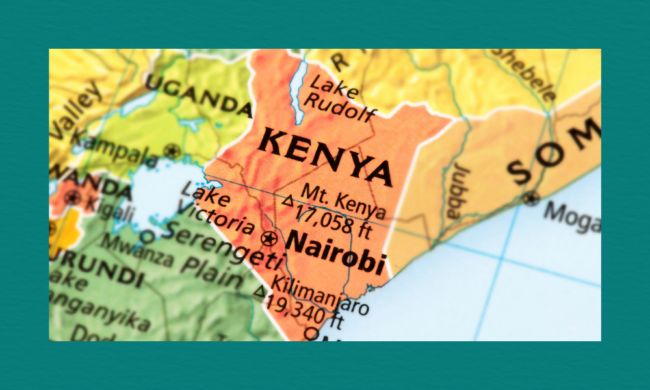
A close-up of an East Africa political map highlighting Kenya in orange, showing surrounding countries—Uganda, Tanzania, Somalia, and Burundi—with major landmarks such as Lake Victoria, Lake Turkana, Mount Kenya, Kilimanjaro, Nairobi, Kampala, and Kigali labeled.

The Gendered Nature of Corruption: A Case Study on Small-Scale Cross Border Trade in Kenya

GI ACE, International Architecture, KloppBy GI ACE22/09/2020Leave a comment

One year further into its GI ACE-supported research concerning the role of integrity and corruption within the planning profession in Zambia and South Africa, the African Centre for Cities’ “Cities of Integrity” (COI) research team has hit new milestones and made progress in achieving its research objectives.
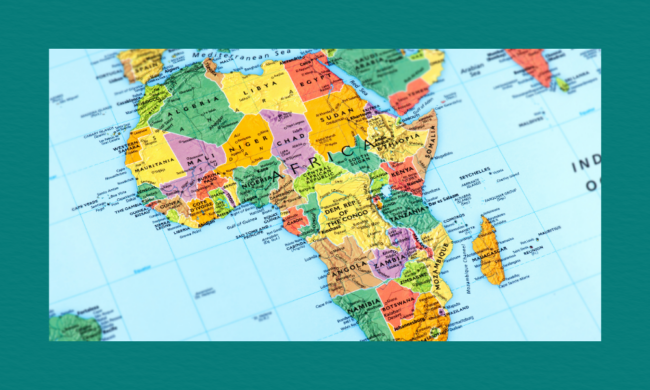
A colourful political map of Africa showing each country in a different shade, with national borders, country names, capital cities, and surrounding oceans and seas clearly labelled.

COVID-19 Impacts Cross Border Traders in East Africa

Klopp, Subnational & SectoralBy GI ACE03/06/2020Leave a comment

GI ACE researchers Jacqueline Klopp, Alissa Krueger, and Melissa Trimble highlight the implications of COVID-19 on small scale cross-border trading in Kenya and Uganda.

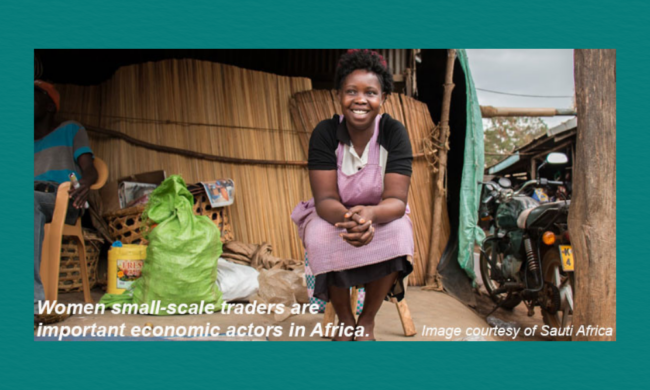
A woman sits smiling in front of a small wooden market stall surrounded by bags, baskets, and a nearby motorcycle, set within a local outdoor trading area.

Barriers for small-scale traders in Kenya: Exploring women’s challenges on International Women’s Day

Klopp, Subnational & SectoralBy GI ACE08/03/20203 Comments

GI-ACE researchers explore the multitude of ways traders interpret bribery on East African borders. Especially for small-scale traders with perishable goods, the cost and time involved drive traders to seek out shortcuts.

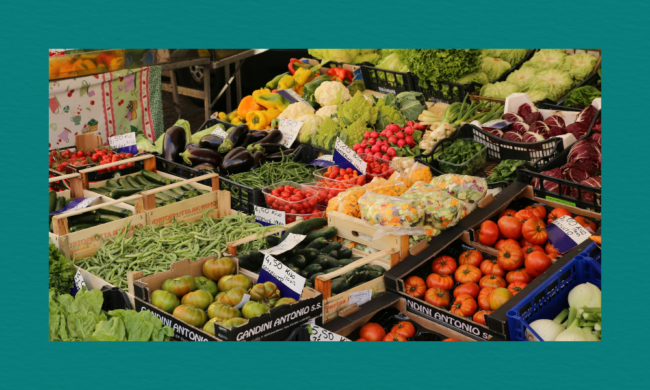
A market stall displays a colourful assortment of fresh vegetables arranged neatly in crates, including tomatoes, cucumbers, eggplants, peppers, radishes, cauliflower and leafy greens, with small handwritten price signs visible.

From whistleblowing to community monitoring on East African borders

Klopp, Subnational & SectoralBy GI ACE27/11/20191 Comment

GI-ACE researchers explore the multitude of ways traders interpret bribery on East African borders. Especially for small-scale traders with perishable goods, the cost and time involved drive traders to seek out shortcuts.

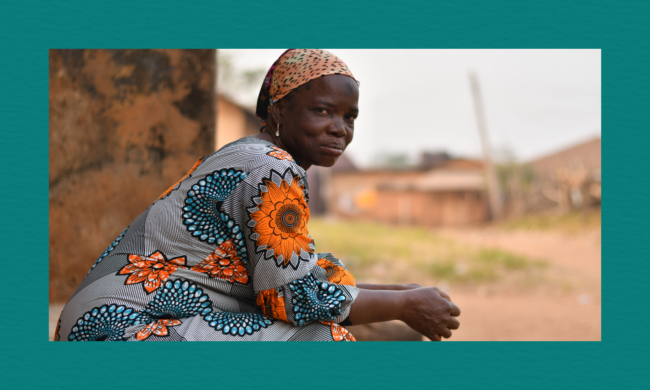
A person sits outdoors in a rural village setting, wearing a brightly patterned outfit with large orange and blue floral designs and a patterned headscarf. Blurred buildings, a dirt path, and vegetation appear in the background.

Realising the dream of Pan-African trade: Giving women voice in improving borders

Klopp, Subnational & SectoralBy GI ACE12/06/2019Leave a comment

GI-ACE research Jacqueline Klopp explores the wider transformation needed for more seamless and integrated borders to become a Pan-African reality, rather than simply a dream.

Go to Top

GI ACE is funded by the UK government’s Foreign, Commonwealth & Development Office (FCDO) through its Global Research and Technology Development portfolio.

About

  • About
  • Our Team
  • Contact Us

Our Work

  • Research themes
  • Events

Resources

  • Blogs
  • Publications

Connect with us

If you've used any of GI ACE's research to inform policy and/or practice, let us know by sending an email at gi-ace@sussex.ac.uk. © 2026 GI ACE. All rights reserved. Hosted at the University of Sussex by the Centre for the Study of Corruption.