Skip to content

The Centre for the Study of Corruption

X page opens in new windowLinkedin page opens in new window
Governance & Integrity Anti-Corruption Evidence
  • About
  • Our work
    • Research themes
      • Global finance and the enablers of corruption
        • Corruption in Paradise: An ecology of money laundering through real estate in the touristic global south
        • Identifying enabler networks and their vulnerabilities
        • Testing and evidencing compliance with beneficial ownership checks
        • Gatekeepers, enablers or technicians: The contested interpretation of lawyers as facilitators of kleptocracy and grand corruption
        • Does transparency bring cleanliness? Offshore financial secrecy reform and corruption control
        • Hiding the beneficial owner and the proceeds of corruption
      • Crisis responses and corruption in vunerable sectors
        • Addressing corruption in the crisis response of the Malawian health system
        • Crisis emergencies, state responses and ‘windows’ of corruption in Uganda
        • The corrupting effect of political connections in public procurement through crises
      • Corruption risks in global trade and commerce
        • Lessons for combating illicit cross-border trade and money laundering from the Congo
        • Interrogating corruption risk in the climate transition: Trading in voluntary carbon markets
        • International deal-making, beliefs, and local social norms
        • Ethical border trading between Kenya and Uganda for small-scale businesses
      • State capture
        • Building resilience to state capture
        • Resisting state capture from the grassroots: Civil society efforts and public perceptions
        • Building institutional resilience to global illicit financial flows as enablers and drivers of state capture
      • Sectors and Institutions
        • Fighting high-level corruption in Africa: Learning from effective law enforcement
        • Addressing bribery in the Tanzanian health sector: A behavioural approach
        • Detecting and deterring medication theft: A field study in health clinics in Malawi
        • Curbing corruption in procurement using ‘red flags’ risk indicators
      • Integrity systems
        • Cities of integrity: Urban planning and corruption in Africa
        • Can positive public recognition lead to good governance?
        • Harnessing informality: Designing anti-corruption network interventions and strategic use of legal instruments
        • Centralised versus decentralised monitoring to reduce corruption: Insights from comparisons across Indian state
        • Civil service reform and anti-corruption: Does ethics training reduce corruption in the civil service?
    • Fellowship
    • Rethinking Anti-Corruption
    • From Research to Practice
  • Resources
    • Publications
    • Blogs
    • Multimedia
    • Kickback – The Global AntiCorruption Podcast
    • Digital Library
  • News & events
    • Newsletter
    • GI ACE in the news
    • News from GI ACE
    • Upcoming Events
    • Previous Events
  • Contact
Search:
Search
  • About
  • Our work
    • Research themes
      • Global finance and the enablers of corruption
        • Corruption in Paradise: An ecology of money laundering through real estate in the touristic global south
        • Identifying enabler networks and their vulnerabilities
        • Testing and evidencing compliance with beneficial ownership checks
        • Gatekeepers, enablers or technicians: The contested interpretation of lawyers as facilitators of kleptocracy and grand corruption
        • Does transparency bring cleanliness? Offshore financial secrecy reform and corruption control
        • Hiding the beneficial owner and the proceeds of corruption
      • Crisis responses and corruption in vunerable sectors
        • Addressing corruption in the crisis response of the Malawian health system
        • Crisis emergencies, state responses and ‘windows’ of corruption in Uganda
        • The corrupting effect of political connections in public procurement through crises
      • Corruption risks in global trade and commerce
        • Lessons for combating illicit cross-border trade and money laundering from the Congo
        • Interrogating corruption risk in the climate transition: Trading in voluntary carbon markets
        • International deal-making, beliefs, and local social norms
        • Ethical border trading between Kenya and Uganda for small-scale businesses
      • State capture
        • Building resilience to state capture
        • Resisting state capture from the grassroots: Civil society efforts and public perceptions
        • Building institutional resilience to global illicit financial flows as enablers and drivers of state capture
      • Sectors and Institutions
        • Fighting high-level corruption in Africa: Learning from effective law enforcement
        • Addressing bribery in the Tanzanian health sector: A behavioural approach
        • Detecting and deterring medication theft: A field study in health clinics in Malawi
        • Curbing corruption in procurement using ‘red flags’ risk indicators
      • Integrity systems
        • Cities of integrity: Urban planning and corruption in Africa
        • Can positive public recognition lead to good governance?
        • Harnessing informality: Designing anti-corruption network interventions and strategic use of legal instruments
        • Centralised versus decentralised monitoring to reduce corruption: Insights from comparisons across Indian state
        • Civil service reform and anti-corruption: Does ethics training reduce corruption in the civil service?
    • Fellowship
    • Rethinking Anti-Corruption
    • From Research to Practice
  • Resources
    • Publications
    • Blogs
    • Multimedia
    • Kickback – The Global AntiCorruption Podcast
    • Digital Library
  • News & events
    • Newsletter
    • GI ACE in the news
    • News from GI ACE
    • Upcoming Events
    • Previous Events
  • Contact

Archives: Sectors and Institutions

Accountability through practical norms: Civil service reform in Africa from below

By steve@whitespace.studio07/11/2025

Accountability through practical norms: Civil service reform in Africa from below This project explored how informal practices, or ‘practical norms’, shape the delivery of health and education services in six…


Corruption prevention: Strategic challenges, tactical solutions

By steve@whitespace.studio06/11/2025

This project explored what works in reducing corruption by developing case studies and cross-cutting analysis in three key areas: land administration, national anti-corruption strategies, and commodity certification systems, to support policy learning and innovation ODA-eligible countries.

Different medicines and pills on pharmacy table

Detecting and deterring medication theft: A field study in health clinics in Malawi

By GI ACE30/08/2019

This project tests the effectiveness of two interventions designed to reduce medication theft – one aimed at informing clinic officials and one aimed at empowering citizen monitors.

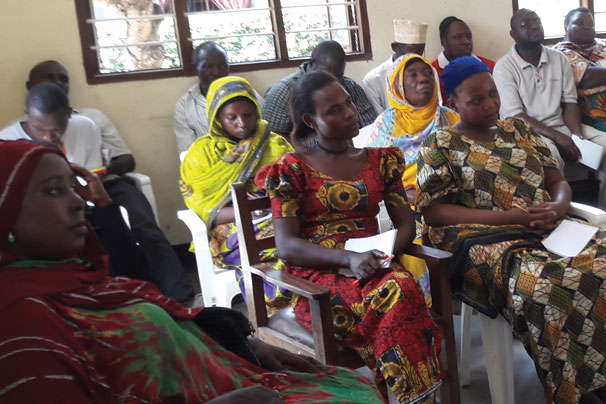
Project focus group in Tanzania

Addressing bribery in the Tanzanian health sector: A behavioural approach

By GI ACE29/08/2019

A behavioural approach is adopted to develop and test an anti-corruption intervention in the Tanzanian health sector, recognising that social norms can fuel practices of gift-giving and bribery between health service providers and users.

tender boxes with red flags

Curbing corruption in procurement using ‘red flags’ risk indicators

By GI ACE29/08/2019

Building on Phase 1 findings, this project digs deeper into the impact of changes in sociopolitical contexts by focusing on recipient-country regulatory frameworks and their interactions with donor regulations.

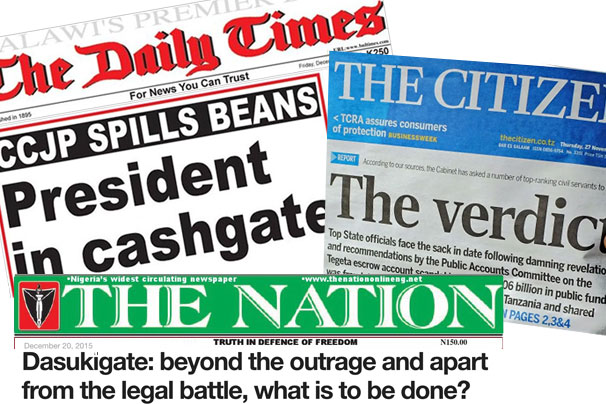
Headlines of scandals from Nigeria, Tanzania, and

Fighting high-level corruption in Africa: Learning from effective law enforcement

By GI ACE28/08/2019

This project is the first comparative study of law enforcement efforts targeting high-level corruption in Africa. The focus on enforcement practice promises to generate new evidence regarding investigations and prosecutions in Nigeria, Tanzania, and Malawi.

Go to Top

GI ACE is funded by the UK’s Foreign, Commonwealth & Development Office (FCDO) and UK International Development. The views expressed here do not necessarily reflect the UK Government’s official policies.

About

  • About
  • Our Team
  • Contact Us

Our Work

  • Research themes
  • Events

Resources

  • Blogs
  • Publications

Connect with us

If you've used any of GI ACE's research to inform policy and/or practice, let us know by sending an email at gi-ace@sussex.ac.uk. © 2026 GI ACE. All rights reserved. Hosted at the University of Sussex by the Centre for the Study of Corruption.