
Corruption, money laundering and valuation fraud through intangible assets: the case of mining rights
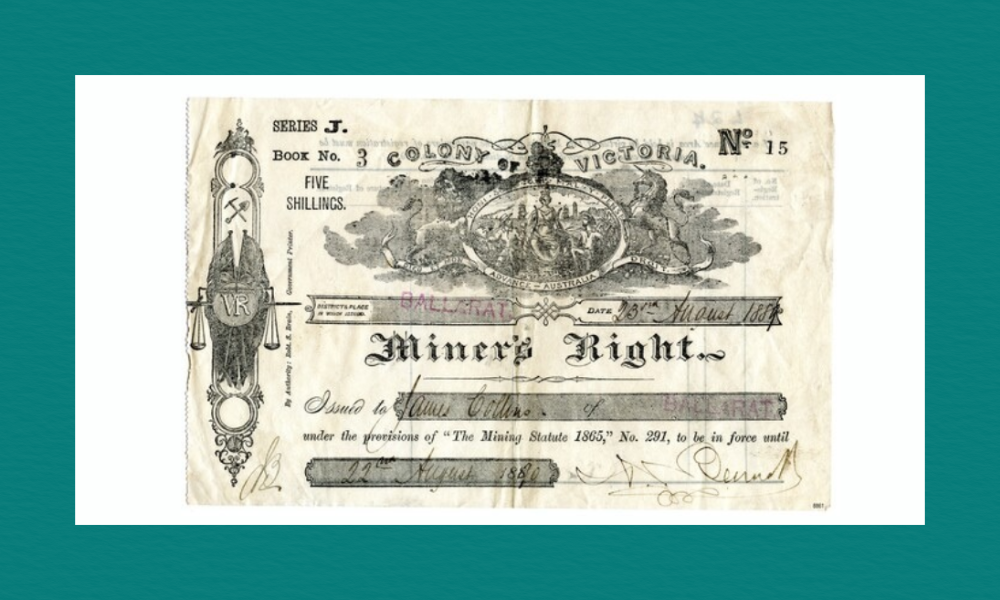
Drawing on new data and case studies, this project investigates the use of intangible assets, such as rights, patents and intellectual property, and particularly on mining-related rights to analyse how these assets are used for bribery, illicit transfers, tax frauds, or money laundering.
Project Summary
The project focuses on mining-related assets that are traded between different jurisdictions. This includes licences, prospecting permits, surface rights, production-sharing rights, or infrastructure access rights. Using original data, it analyses two corporate networks, one trading gold, uranium and diamond rights and another trading critical raw material rights, particularly lithium.
The project explores a frontier in anti-corruption research by shifting attention away from a focus on how individuals or companies gain access to valuable assets, whether legally or illegally, that dominates the literature on corruption and extractive value chains. Instead, it examines the strategies through which value is actively created, manipulated, and extracted both before and after assets are acquired.
We explore the idea that bribes, corruption, or laundering practices may be less present in the phase of allocation of assets, permits, or rights, and more materially relevant months or years later, during the financial valuation phases of these assets, when they become the object of speculation and are embedded in complex licensing agreements and offshore structures.
Policy and Programming Implications
As contemporary economies are driven by intangible assets, and the valuation of firms relies ever more heavily on intellectual property, patents, licences, and other nonphysical rights, understanding how such assets are valued, transferred, and manipulated has become a pressing governance challenge.
By combining cutting-edge research with direct policy relevance, the project will provide a new framework for understanding how the valuation of intangible assets creates opportunities for corruption and illicit financial flows, while identifying reforms that can strengthen transparency, accountability, and governance in mineral value chains that are strategic for sectors for the energy and decarbonisation, AI or defence industries.
The project will generate practical policy recommendations grounded in empirical analysis and engagement with industry professionals, regulators, and policymakers.
Research Questions
The key research questions are:
1) What are the methods used to value intangibles in a context in which there are many different parameters to take into consideration (geological resources, advancement of the project and possible development of the assets, availability and rarity, political complexity to obtain a permit, hard to predict future demand)?
2) Who are the professionals who provide valuation services? What are the supporting evidence, compliance and accounting standards applicable and the areas of risk?
3) What strategies are used to illegally transfer assets, launder proceeds of corruption or distribute bribes via intellectual property and royalties agreements? Are there specific mechanisms and what are the identifiable red flags?
Methodology
To answer these questions, the project is organised in three consecutive work streams.
The first one explores the hypothesis that there are wide number of corruption, frauds and money laundering cases in which these assets and rights play a key role, but not identified as such. We test this hypothesis through semi structured interviews with finance, mining, and AML professionals as well with journalist and other experts. The project will collect publicly available evidence on cases identified and engage in a review of AML, finance, Intellectual Property and accounting literatures.
The second work streams develop in-depth analysis of two networks engaged in arbitrage and valuation of mining rights using original datasets. One network involved in corruption and money laundering focuses on gold, uranium and diamond rights. A second network consists of a defunct corporation trading critical raw material rights used for the green transition, particularly lithium.
Using these findings, the third stream engages with professionals such as accountants, lawyers and traders as well with key experts and policy makers to retrace how flexible valuations in the grey zone, methods and regulatory gaps may be used by illicit networks.
Research Team Members
Dr Corentin Cohen
Senior Research Fellow, University of Sussex
Floris Gast