
Identifying enabler networks and their vulnerabilities
This project investigates how global networks of enablers facilitate money laundering and reputation laundering - revealing the mechanisms used by kleptocrats to conceal illicit wealth. An additional phase of the project undertakes the first ever large-scale study of the Organised Crime and Corruption Reporting Project’s (OCCRP) Aleph database to identify trends in how professional service providers enable cross-border corruption.

How Kleptocrats Hide Wealth – and Who Enables Them
The project explores the tools used by corrupt elites to launder their reputations and move and conceal illicit wealth across borders.
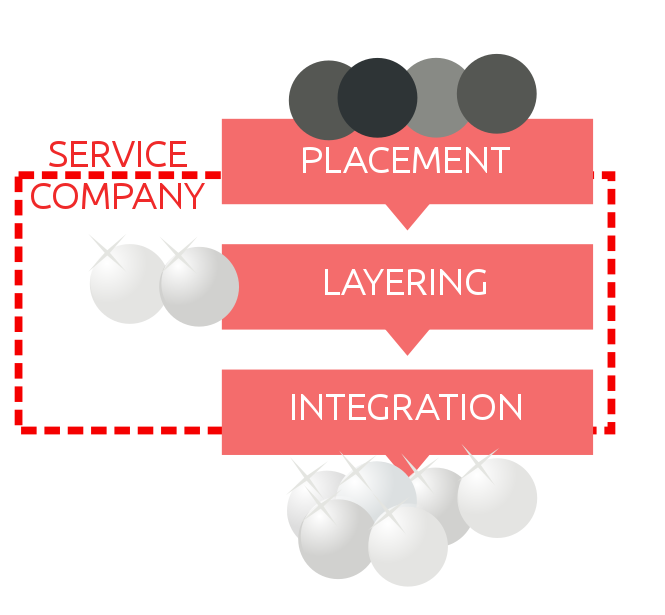
Money laundering undermines development, weakens democratic institutions, and allows corrupt elites to conceal stolen wealth behind layers of offshore secrecy. Professional enablers – including bankers, lawyers, and real estate agents – play a central role in wiring illicit funds through complex corporate structures designed to obscure ownership and origin. These systems are often used by politically exposed persons (PEPs) to move public funds into private accounts and luxury assets, far from public scrutiny.
Phase one of the project investigated how such networks operate across borders, with a particular focus on African and post-Soviet Eurasian economies where kleptocratic practices are entrenched or emerging. It examined not only financial laundering through banking and real estate, but also forms of reputation laundering – in which elites invest in philanthropy, cultural institutions, and image management to deflect attention from their involvement in corruption.
The project undertakes the first-ever large-scale study of OCCRP’s Aleph database to identify trends in how professional service providers enable cross-border corruption. Containing more than 3.8 billion entries and 50 terabytes of data – including the entirety of the International Consortium of Investigative Journalists (ICIJ)’s offshore leaks data dumps – Aleph is an investigative data platform that helps journalists follow the money. It is one of the world’s largest troves of documents on corruption including financial records, ownership documents, court filings, and correspondence. However, comparative study of this large dataset which allows us “to see the wood from the trees” has never before been attempted.
By combining conceptual models of enablers and building on a pre-existing dataset produced under phase 1, the project will glean original and robust findings from this treasure trove of data, asking questions about how the enabling of corruption takes place: under what conditions and by which mechanisms it is occurring, where enabler networks are distributed and where are the key hubs, who constitute the enablers, and when are the key moments of enabling.
The findings will inform policymaking, regulatory and enforcement activity by identifying areas of concentration and vulnerability across the enabling landscape.
Research Questions
- How are professional and financial service providers legally enabling illicit finance for kleptocratic elites?
- What enabler services are used to hide and retain kleptocratic assets?
- Where are the enabler networks serving the political elites of ODA-recipient countries?
- When in the upstream-to-downstream process of enabling is the illicit made licit, and vice versa?
- Which key enabler services, places and moments may be identified as ‘red flags’ for regulators?
Methodology
Original data collection including searches regarding politically exposed persons (PEPs) who are known to hold assets in the United Kingdom, and their known enablers. Combining pre-existing conceptual models of enablers and building on a pre-existing dataset produced under GI ACE phase 1, the project allows us to glean original and robust findings from this treasure trove of data.
Policy and Programming Implications
Phase 1 examined the extent to which professional intermediaries – such as bankers, real estate agents, and service providers – complied with international anti-money laundering (AML) standards when dealing with politically exposed persons (PEPs) from high-risk jurisdictions. By identifying how rogue actors bypassed or exploited regulatory gaps, the research assessed whether existing frameworks were robust enough to address the risks posed by kleptocratic networks.
Phase 2 will involve UK and overseas policymakers, journalists, and civil society throughout and specifically engaged in three workshops – in London (2024), online (2025) and with an overseas partner (2026). They will help to finalise objectives and plans in an initial workshop, and take part in interim and final workshops where we identify enabling “red flags” and discuss policy responses. Private sector actors (particularly in corporate intelligence and political risk) will also be involved to help us interpret our data.
Impact
The project examined the extent to which professional intermediaries – such as bankers, real estate agents, and service providers – complied with international anti-money laundering (AML) standards when dealing with politically exposed persons (PEPs) from high-risk jurisdictions. By identifying how rogue actors bypassed or exploited regulatory gaps, the research assessed whether existing frameworks were robust enough to address the risks posed by kleptocratic networks.
Publications
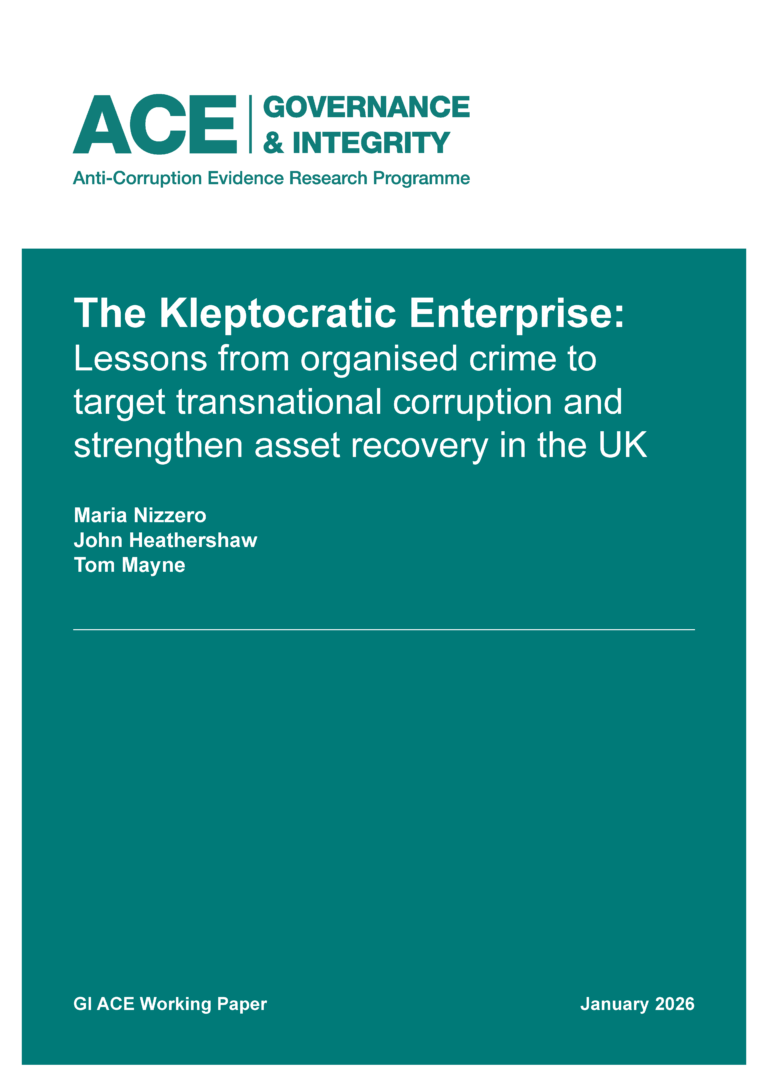
The Kleptocratic Enterprise: Lessons from organised crime to target transnational corruption and strengthen asset recovery in the UK
Highlighting a disconnect between the UK’s ambition to be a global leader in the fight against corruption and illicit finance and its weak track record in confiscating assets derived from kleptocracy, a new research paper by Maria Nizzero, John Heathershaw…
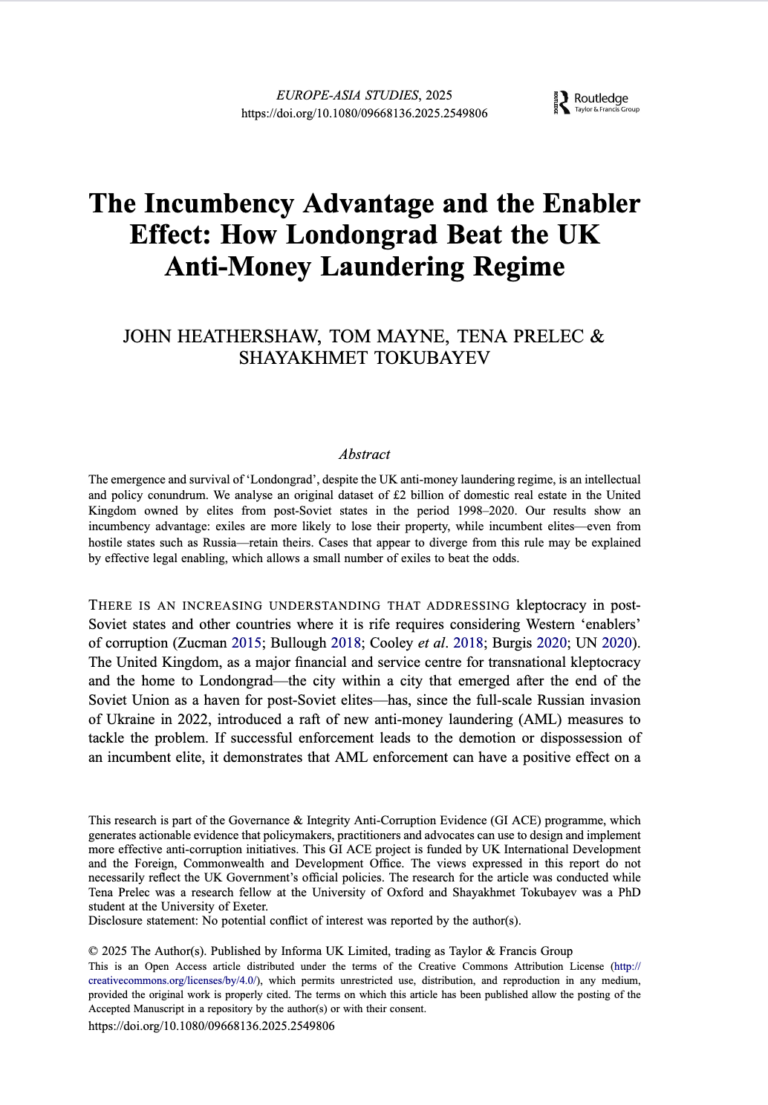
The Incumbency Advantage and the Enabler Effect: How londongrad beat the UK anti-money laundering regime
The emergence and survival of ‘Londongrad’, despite the UK anti-money laundering regime, is an intellectual and policy conundrum. We analyse an original dataset of £2 billion of domestic real estate in the United Kingdom owned by elites from post-Soviet states…
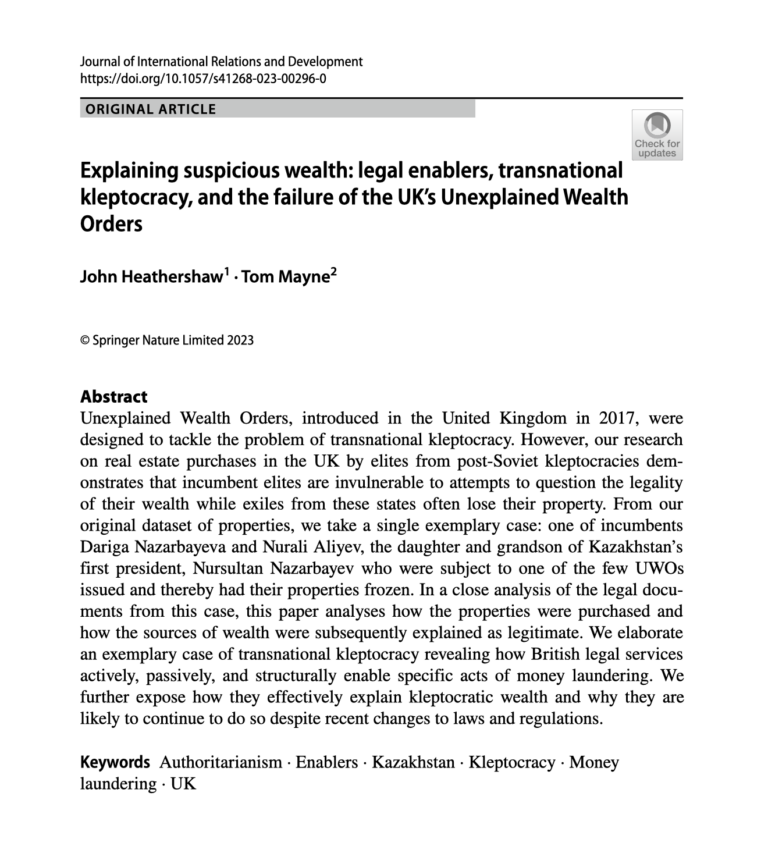
Explaining Suspicious Wealth: Legal Enablers, Transnational Kleptocracy, and the Failure of the UK’s Unexplained Wealth Orders
Unexplained Wealth Orders, introduced in the United Kingdom in 2017, were designed to tackle the problem of transnational kleptocracy. However, our research on real estate purchases in the UK by elites from post-Soviet kleptocracies dem-onstrates that incumbent elites are invulnerable…
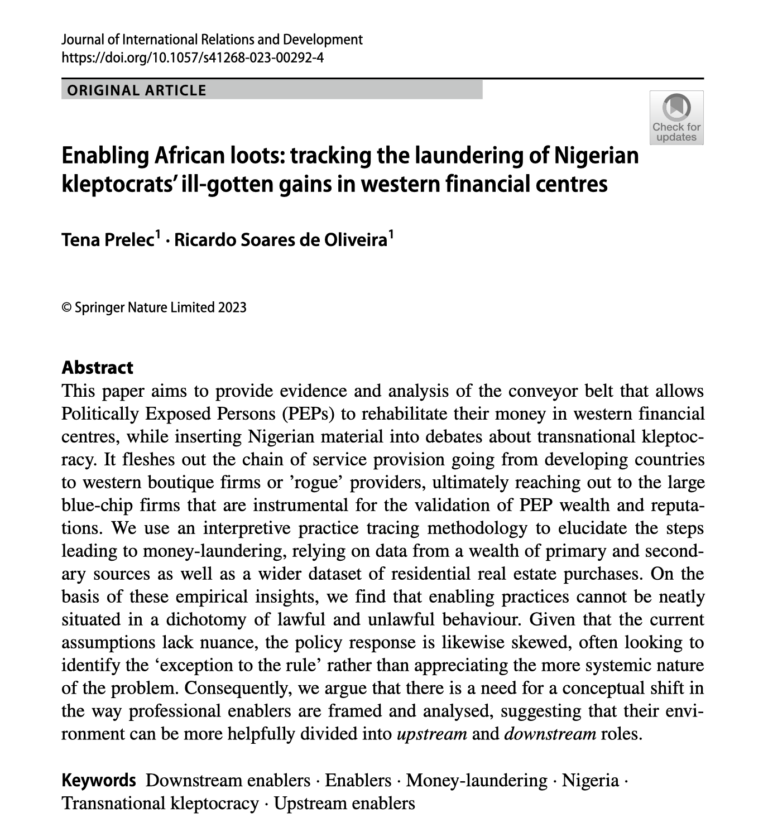
Criminality Notwithstanding: The Use of Unexplained Wealth Orders in Anti-Corruption Cases
Drawing on the systematic methodologies behind investigative journalism, open source intelligence gathering, big-data, criminology, and political science, this series maps the transnational corporate, legal and governmental structures employed by organisations and figures in Central Asia to accumulate wealth, influence and…
Related Blogs




Related Media
Research Team
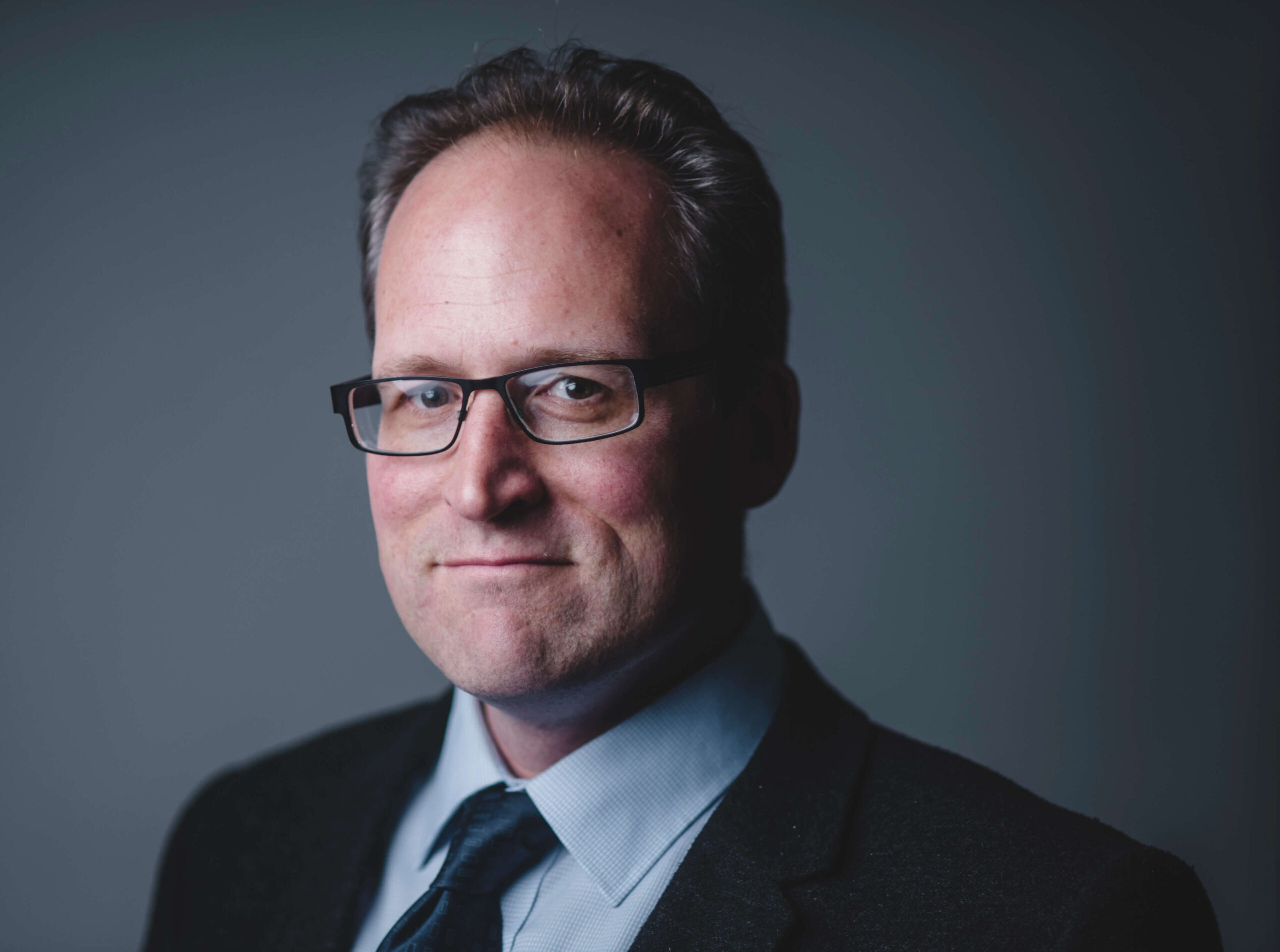
John Heathershaw
Principal Investigator
Professor of International Relations at the University of Exeter
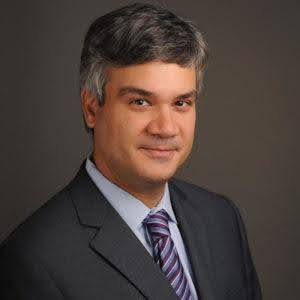
Alex Cooley
Director, Harriman Institute, Columbia University; Claire Tow Professor of Political Science, Barnard College
Jason Sharman
Professor of International Relations, University of Cambridge

David Lewis
Associate Professor of Politics, University of Exeter
Ricardo Soares de Oliveira
Professor of the International Politics of Africa, University of Oxford, Bard College Berlin
Tom Mayne
Research Fellow at the Department of Politics and International Relations (DPIR) of the University of Oxford

Tena Prelec
Assistant Professor in Politics and International Relations at the University of Rijeka

Alexandra Gillies
Director of the Global Anti-Corruption Consortium